Is this vermiculite?
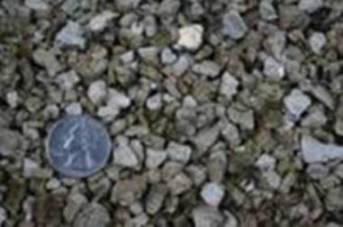
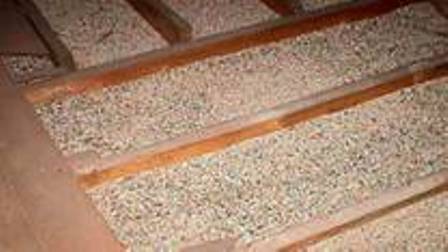
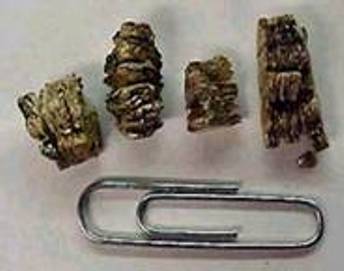
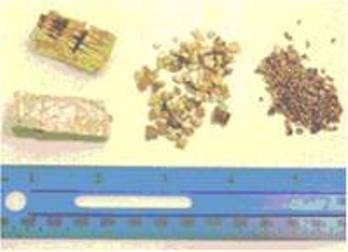
Look at the insulation without touching it, then compare it with these US EPA photographs. Vermiculite is a pebble-like, pour-in product, usually grey-brown or silver-gold, lying loose between the attic joists.




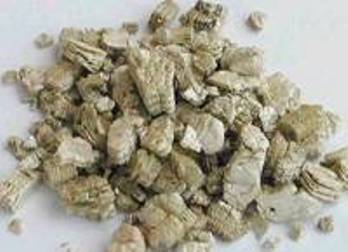

How to tell
- Look from the hatch with a torch. Do not reach in, sweep or scoop a sample.
- Vermiculite is loose granules, from fine grains to pieces nearly an inch long, with a shiny, mica-like sheen. It pours; it does not hang together.
- Not vermiculite: fiberglass batts or fluff (pink, yellow or white, like cotton candy), blown cellulose (grey, like shredded paper), mineral wool (woolly fibres).
- Do not open walls to look for it. EPA advises against it.
It looks like this. Now what?
If in doubt, do not disturb it — use an accredited tester.
EPA goes further: treat any vermiculite insulation as if it contains asbestos, without testing, because most of it came from the Libby, Montana mine. A trained professional can test an attic, but it costs money and, depending on the method, can give a false all-clear.
What to do next: leave it, seal it, when it must come out, the Zonolite trust → · Index entry: scores 24
Photographs by the US Environmental Protection Agency. They appear on EPA's page with no third-party credit; EPA's policy is to credit any copyrighted work it posts, and works of the US Government are not protected by copyright in the United States. Source: US EPA — Protect Your Family from Asbestos-Contaminated Vermiculite Insulation, read 2 November 2026 · EPA copyright policy.